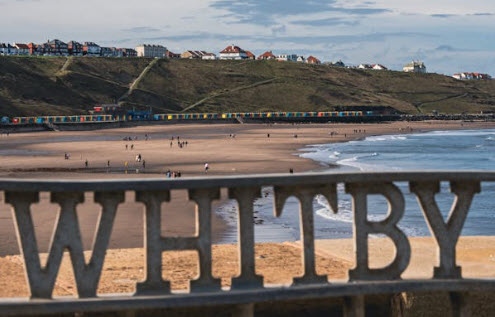
The Yorkshire Coast is an exceptional stretch of coastline for metal detecting.
It combines centuries of maritime history, thriving Victorian tourism, and dramatic coastal erosion that constantly turns over the sand and shale to reveal long-lost treasures.
This guide outlines everything you need to know to hunt successfully and safely on Yorkshire’s beaches, followed by an in-depth breakdown of the four best locations for your queue.
Chapter 1: Permissions, Regulations, and Legal Frameworks
+---------------------------------------+
| BEACH DETECTING LAND TYPES |
+---------------------------------------+
|
+----------------------------+----------------------------+
| |
+-----------------------+ +-----------------------+
| Crown Estate Land | | Local Council / |
| (Mean High to Low) | | Private Beaches |
+-----------------------+ +-----------------------+
| |
Permissive Rights Explicit Permits or
(No permit required) Strict Bans Apply
The Crown Estate Foreshore
The Permission: The Crown Estate grants “permissive rights” for recreational metal detecting on foot across its owned foreshore. You do not need to apply for a formal printed permit or pay a fee to access these specific zones. [
The Catch: This permission applies only to land currently owned by the Crown. Pieces of the foreshore are frequently leased out to local councils, port authorities, or private estates. When a piece of land is leased, the Crown’s permissive right is superseded by the rules of the lessee. Always consult the official Crown Estate Foreshore Map before travelling to verify ownership.
The Dry Sand Boundary: The Crown Estate does not own the dry sand dunes, sea defence walls, or cliffs sitting above the high-water mark. Detecting in these upper areas requires distinct permission from the local council or the private landowner.
Local Authority and Private Restrictions
Some councils require you to hold a local permit.
Others may ban detecting entirely during busy summer tourist months to protect beachgoers.
The National Trust: If a beach or the cliffside backing it is owned by the National Trust, metal detecting is strictly prohibited across the entire site, unless it is part of an officially sanctioned archaeological excavation.
It is a criminal offence to metal detect, dig, or disturb the ground within an SSSI without explicit consent from Natural England.
Even if a beach is listed as Crown Estate land on the map, if it overlaps with an SSSI designation, the environmental protection takes precedence and detecting is banned.
The Treasure Act 1996 and Portable Antiquities Scheme (PAS)
Any found object that is not a coin, but contains at least 10% gold or silver and is over 300 years old.
Groups of two or more prehistoric base-metal objects from the same findspot.
Hoards of coins that are over 300 years old.
Chapter 2: Two Centuries of Coastal Finds (The Last 200 Years)
Yorkshire’s coast has acted as a trade highway, a defensive frontline, and a holiday playground. Over the last two centuries, detectorists and beachcombers have retrieved a vast array of historical artifacts from these shores.
1. Roman and Anglo-Saxon Antiquities
2. Medieval Trade and Economy
Hammered silver coins spanning the reigns of Edward I through to Henry VIII are steadily recovered from the wet sand. Detectorists frequently locate lead trade weights, pewter tokens, and cast bronze buckles lost by merchants, fishermen, and travelers moving along the intertidal transport routes.
3. Shipwreck Material and Military Relics
Copper hull sheathing nails and brass fittings.
Musket balls and cannon grapeshot from historical naval skirmishes.
Heavy concentrations of military relics from WWI and WWII, including brass uniform buttons, cap badges, and bullet casings from coastal defence training.
4. The Victorian and Edwardian Tourism Boom
Silver Coinage: Vast quantities of dropped Victorian sixpences, threepences, and silver shillings.
Personal Items: Ornate brass pocket watch keys, silver thimbles, lost Georgian and Victorian jewellery, and decorative shoe buckles.
Tokens: Pre-decimal copper pennies, beach-donkey ride tokens, and old pier amusement tokens.
Chapter 3: Mastering Yorkshire’s Beach Geology
Beach detecting is entirely different from inland pasture hunting. To avoid frustration, you must match your search style and equipment to the specific terrain underneath your coil.
+------------------+----------------------------------+-----------------------------+
| GEOLOGY TYPE | CHARACTERISTICS | DETECTING CHALLENGES |
+------------------+----------------------------------+-----------------------------+
| Deep Dry Sand | Loose, shifted by wind/footsteps | Targets drop deep; easy |
| | Found at high-tide zones | digging with a sand scoop |
+------------------+----------------------------------+-----------------------------+
| Shingle & Gravel | Mix of loose pebbles and stones | Difficult to dig; targets |
| | Constantly shifted by rough seas | get trapped between rocks |
+------------------+----------------------------------+-----------------------------+
| Wet Scouring Sand| Dense, highly mineralised sand | Causes ground chatter; |
| | Sits near the low-tide mark | requires multi-frequency |
+------------------+----------------------------------+-----------------------------+
| Bedrock & Shale | Exposed rock scars and clay beds | Targets rest directly on |
| | Stripped clean by winter storms | rock surface; tough digging |
+------------------+----------------------------------+-----------------------------+
The Iron and Mineralisation Challenge
These machines transmit several frequencies into the ground at once, allowing the onboard processor to filter out saltwater noise and pinpoint genuine metallic targets accurately.
The Mechanics of Beach Scouring
Chapter 4: Detailed Guide to the 4 Best Yorkshire Beaches
Here is an entry-by-entry guide to the four top-tier metal detecting beaches in Yorkshire, tailored with all the practical infrastructure, safety notes, and terrain details you need for a successful trip.
1. Fraisthorpe Beach (East Riding of Yorkshire)
+---------------------------------------+
| FRAISTHORPE BEACH LAYOUT |
+---------------------------------------+
[Auburn Farm Park] ---> [The Cow Shed Cafe] ---> [Toilets & Wash Station]
| | |
+-------------------------+-----------------------+
|
(Sloping Sandy Trackdown)
|
+----------------------------v----------------------------+
| DRY SAND ZONE: Loose sand, WWII Pillbox ruins |
+---------------------------------------------------------+
| WET SAND ZONE: Flat, expansive tide sweeps |
+---------------------------------------------------------+
| LOW TIDE MARK: Exposed clay beds & old wreck timbers |
+---------------------------------------------------------+
Beach Type and Geology
What Has Been Found
Hammered and Early Hammered Coins: Several Edward I silver pennies dating around 1279 have been pulled from the scoured clay channels. [1]
Victorian and Georgian Pocket Loss: A steady stream of pre-decimal copper pennies, silver threepences, and brass tokens lost by early coastal holidaymakers.
WWII Relics: Fraisthorpe was heavily fortified during World War II to counter potential invasion. The beach is dotted with concrete pillbox ruins that have tumbled down from the eroding cliffs. As a result, detectorists regularly locate brass bullet casings, military uniform buttons, and related wartime equipment components.
Permissions
Status: Free to detect on the foreshore. The beach is heavily utilized by local detectorists, and there are currently no restrictive local council bans active on the intertidal sands.
Important Constraint: You must stay on the flat beach area. Do not detect or dig into the base of the cliffs or attempt to climb the dunes above the high-water mark, as these areas are private property and highly unstable.
Amenities and Infrastructure
Car Parking: Excellent parking is available directly on the clifftop at Auburn Farm (Postcode: YO25 3BQ or YO15 3QU). Access is via an automated barrier system with reasonable daily or hourly rates (around £6 for a full day). The car park sits right at the beach edge, making it very easy to transport your heavy digging gear and detectors.
Toilets: Clean, well-maintained public toilets and changing facilities are situated directly alongside the main car park area. There is also a dedicated dog-washing station available if you travel with a pet.
Food and Drink: Located right next to the car park is The Cow Shed Cafe, a highly-rated, modern, and very detectorist-friendly venue serving hot meals, excellent coffee, and fresh cakes. (Note: It is typically closed on Mondays, so plan your trip accordingly).
Safety Profiles
Tide Trapping Risk: Very Low. Because the beach is so wide, flat, and open, there are no headlands or hidden coves to cut you off from safety. The tide comes in across flat sand, giving you plenty of time to pack up and walk up the beach.
Cliff Stability: Dangerous. The clay cliffs along this stretch suffer from incredibly high rates of coastal erosion (averaging over 2.5 metres per year). Heavy rain or freezing winter conditions cause large sections of clay to slump onto the beach without warning. Never set up your gear, eat lunch, or detect directly underneath the overhang of these cliffs.
Other Hazards: Keep an eye out for occasional unexploded ordnance (UXB) dating from WWII training exercises. If you encounter any large, heavily encrusted, or suspicious metallic cylinders embedded in the clay or sand, do not disturb them; mark the location and report it to the Coastguard immediately.
2. Filey Bay (North Yorkshire)
+---------------------------------------+
| FILEY BAY SECTIONS |
+---------------------------------------+
|
+----------------------------+----------------------------+
| |
+-----------------------+ +-----------------------+
| North: Filey Brigg | | South: Main Beach |
+-----------------------+ +-----------------------+
| |
Rocky scars, shale, Deep sand sweeps, old
Roman signal station, Victorian beach loss,
high cliff dangers excellent amenities
Beach Type and Geology
What Has Been Found
Victorian Luxury Items: Gold sovereign coins, silver pocket watches, and ornate brooch pins dropped by wealthy 19th-century spa visitors.
Maritime Silver: Trade silver coins from the 17th and 18th centuries, washed ashore from the numerous historical shipwrecks that foundered trying to seek shelter behind the Brigg during easterly gales.
Everyday Beach Spend: A massive volume of pre-decimal and modern decimal coins concentrated heavily around the old beach tent and donkey-ride zones.
Permissions
Status: Metal detecting is fully permitted across the main foreshore area managed by the local authority.
Important Constraint: No specialized permit or fee is required to detect the tidal sands. However, you must avoid digging into the cliffs or venturing onto the sensitive archaeological zones on top of Filey Brigg itself.
Amenities and Infrastructure
Car Parking: There are several options available. For easy access to the main sandy beach, use the West Avenue Car Park (Postcode: YO14 9HA), which is a large council-run pay-and-display facility. If you prefer to target the northern rocky scars near the Brigg, use the Filey Brigg Country Park Car Park (Postcode: YO14 9ET), which sits right on the clifftop.
Toilets: Public toilet blocks are conveniently located along the main Filey Promenade, near the beach slipways, and up at the Filey Brigg Country Park facility.
Food and Drink: The seafront promenade features numerous cafes, traditional fish and chip shops, and ice cream kiosks. If you are parked at the Country Park, there is a seasonal cafe on-site providing hot drinks and snacks.
Safety Profiles
Tide Trapping Risk: Medium to High (Northern Section). The main southern sandy beach is very safe and allows easy escape routes. However, if you venture north onto the rocky platform of Filey Brigg, the safety profile changes dramatically. The tide can rush around the outer ledges exceptionally fast, completely cutting off your return path to the main beach. Always monitor a local tide table closely and ensure you are moving back toward the main beach well before the high tide begins to push in. [
Cliff Stability: The cliffs backing the northern part of the bay are composed of unstable clay and loose stone. Avoid hunting directly under the cliff faces, particularly after heavy downpours or during high winds.
3. Whitby: Tate Hill Sands (North Yorkshire)
Tate Hill Sands is a small, historical beach nestled inside the old eastern harbour entrance of Whitby, right below the shadow of the famous Whitby Abbey. It is a legendary spot for beachcombers and detectorists alike.
+---------------------------------------+
| WHITBY: TATE HILL SANDS |
+---------------------------------------+
[Church Street Shops] ---> [199 Steps Abbey Path] ---> [East Pier]
|
(Short Level Sand Walk-on)
|
+--------------------------------v----------------------------+
| UPPER ZONE: Fine sand, old bonfire ash, beachcombing glass |
+-------------------------------------------------------------+
| LOWER ZONE: Dark shingle, harbor silt, Victorian jet debris |
+-------------------------------------------------------------+
Beach Type and Geology
What Has Been Found
Whitby Jet: While not detected by metal machines, Tate Hill is famous for raw fragments of Victorian Whitby Jet—a fossilised wood gemstone used to create mourning jewellery for Queen Victoria. You can easily spot pieces lying loose among the shingle while waiting for your detector to beep.
Smugglers’ and Mariners’ Artifacts: Old clay smoking pipes, 18th-century copper trade tokens, historical shipping rivets, and brass fittings from old fishing trawlers.
Georgian and Victorian Coinage: George III copper halfpennies, early Queen Victoria silver coins, and an abundance of old metal buttons from sailors’ coats. [
Permissions
Status: Fully open to metal detecting and beachcombing year-round. It is highly regarded by the local community as a friendly and accessible spot.
Important Constraint: Because it is a small beach bordered by historic harbour structures, you must never dig into or undermine the foundations of the stone piers, sea walls, or historic slipways.
Amenities and Infrastructure
Car Parking: Parking directly in the old town can be tight. The nearest option is the Church Street Car Park (Postcode: YO22 4AS), which is a short, level walk away from the sand. Alternatively, you can use the large Abbey Wharf Car Park or the park-and-ride facilities on the outskirts of Whitby if visiting during the peak summer season.
Toilets: Public toilets are situated just a short walk away on Church Street, near the bottom of the famous 199 Steps.
Food and Drink: You are steps away from the heart of Whitby’s historic old town. The beach is bordered by traditional sweet shops, independent cafes, and
world-famous fish and chip restaurants like the Magpie Cafe located just across the swing bridge.
Safety Profiles
Tide Trapping Risk: Low. The beach is sheltered inside the harbor walls. While the sand area shrinks considerably at high tide, you are never more than a few steps away from an open stone slipway leading safely back up to Church Street.
Cliff Stability: Safe. This beach is backed by secure stone sea walls and the historic buildings of the old town rather than raw, crumbling cliffs. Your main safety consideration here is simply keeping an eye out for sharp pieces of historical glass or rusted iron hidden in the shingle beds.
4. Runswick Bay (North Yorkshire)
Runswick Bay is located roughly 9 miles north of Whitby and was previously named Britain’s Best Beach. It is an exceptionally beautiful, horseshoe-shaped bay flanked by dramatic, towering shale cliffs.
+---------------------------------------+
| RUNSWICK BAY TERRAIN |
+---------------------------------------+
[Clifftop Pay & Display] -----------> [Sailing Club Cafes & Toilets]
| |
(Steep Concrete Road Down) |
| |
+-------v-------------------------------------------v---------+
| NORTH: Fine sand sweep, old village frontage, tourist loss|
+-------------------------------------------------------------+
| SOUTH: Heavy rock scars, exposed shale, Jurassic fossils |
+-------------------------------------------------------------+
Beach Type and Geology
What Has Been Found
Jurassic Fossils: Runswick Bay sits right on Yorkshire’s famous “Dinosaur Coast”. The shifting sands regularly uncover world-class fossils, including 180-million-year-old ammonites, belemnites, and fossilised marine reptile bones embedded in loose shale nodules.
Silver and Base Metal Accumulations: The southern shale scars act as a natural trap. Heavy metallic objects washed into the bay get caught in the deep, narrow cracks of the rock scars, rewarding patient detectorists with old coins and historical artifacts that have been wedged in place for decades.
Fishermen’s Relics: Historical lead line weights, brass rowlocks, and old copper nails from traditional wooden coble boats.
Permissions
Status: Metal detecting is permitted on the main foreshore area.
Important Constraint: Large portions of the cliffs and rocky scars form part of an SSSI. You are free to metal detect and scoop the loose, shifting beach sands, but you are strictly forbidden from using hammers, chisels, or heavy picks to break open or damage the solid bedrock or the cliff faces to extract targets or fossils. [1, 3]
Amenities and Infrastructure
Car Parking: There are two main parking areas. The Runswick Bay Bank Top Car Park (Postcode: TS13 5HT) is a large pay-and-display option sitting high on the cliff with stunning views. From here, it is a very steep walk down a concrete road to the beach. For those carrying heavy equipment, there is a smaller Bank Bottom Car Park right next to the beach, but it fills up exceptionally fast in the morning.
Toilets: Public toilets are available at the bottom of the bay, located near the rescue boat station and the beach entrance.
Food and Drink: The Sandside Cafe sits right at the edge of the beach, offering hot food, fresh crab sandwiches, and tea with outdoor seating overlooking the bay. There is also a traditional pub, the Royal Hotel, located at the top of the bank for a hearty meal after a long dig.
Safety Profiles
Tide Trapping Risk: High (Southern Section). If you stick to the sandy beach near the village, you are perfectly safe. However, if you walk south along the shale scars toward Kettleness to find the scoured gullies, you must be extremely careful. The sea comes right back up to the base of the cliffs along this stretch. If you are caught out past the headlands when the tide turns, you will be completely trapped against vertical rock faces with no path of escape. Always clear this area on a falling tide and head back well before low tide turns.
Cliff Stability: Extreme Danger. The shale and mudstone cliffs backing Runswick Bay are highly unstable and prone to frequent, massive rockfalls. Never walk, sit, or detect directly underneath the cliff line. Keep a safe distance of at least 20 metres away from the cliff base at all times.
Chapter 5: Summary
Checklist for your Next Outing
Check the Tide Times: Aim to arrive on the beach 2 hours before low tide. This gives you a clear window to follow the retreating water down to the rich, deep wet sand and exposed gravel channels where the heaviest targets rest.
Verify Ownership: Cross-reference your intended destination with the Crown Estate Interactive Map to confirm you are within the permissive foreshore boundary.
Adjust Your Detector Settings: If your machine has a dedicated “Beach Mode,” switch it on. Perform a manual or automatic ground balance once you step onto the wet sand to neutralise the mineralisation and eliminate false iron chatter.
Pack the Right Digging Tools: For fine-sand beaches like Fraisthorpe or Filey, a long-handled stainless steel sand scoop is the most efficient tool. For the tough shale and clay zones at Whitby or Runswick, bring a sturdy trowel or hand-digger capable of cutting through thick clay without bending.
Prioritise Your Personal Safety: Dress in warm, windproof layers (the North Sea breeze can be biting even in summer). Always stay well clear of the cliff bases, and keep a watchful eye on your exit paths to ensure the incoming tide doesn’t cut off your route back to the car par